Industrial Bottle Rinsing Machines for Hygienic Production Lines

All Categories
Advanced Bottle Rinsing Machines for Modern Production Lines

Advanced Bottle Rinsing Machines for Modern Production Lines

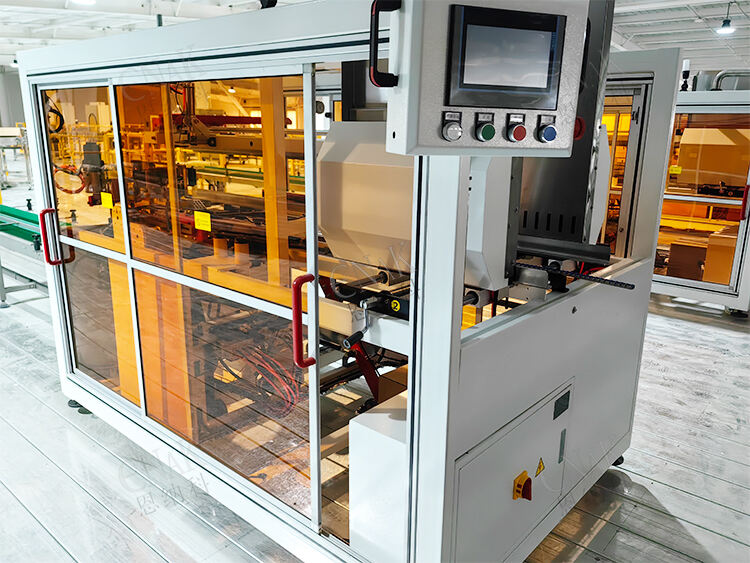
Discover high-performance bottle rinsing machines engineered for precision and hygiene in food and beverage production. This guide explores automated bottle rinser technology designed to remove contaminants, residues, and microbes effectively. These systems ensure your glass and plastic bottles, particularly for sensitive contents like dairy or juices, meet stringent cleanliness standards. We focus on machines that integrate seamlessly into your existing filling and capping processes, enhancing overall line efficiency. For businesses seeking to optimize output and product safety, understanding the capabilities of modern rinsing equipment is key to upgrading your packaging line's reliability and speed.
Get A Quote

Core Benefits of Automated Bottle Rinsing Systems

Integrating a dedicated bottle rinsing machine into your production setup offers distinct operational improvements. These systems go beyond basic cleaning to deliver consistent, high-throughput preparation of containers, directly impacting your bottom line and product quality. The primary advantages include guaranteed hygiene, significant time and labor savings, and the flexibility to handle diverse production needs.

Superior Hygienic Assurance

Automated rinsers utilize targeted high-pressure jets of purified water or sterile air to meticulously clean bottle interiors. This process effectively eliminates dust, glass fragments, or microbiological contaminants that pre-cleaning might miss. By ensuring an impeccably clean surface, the machine prevents post-filling spoilage and protects sensitive products like milk or infant formula, safeguarding both consumer health and your brand reputation.

Enhanced Production Line Efficiency:

A dedicated rinsing station synchronizes perfectly with your filler and capper, creating a continuous, uninterrupted flow. This automation dramatically accelerates the bottle preparation phase compared to manual or semi-automatic methods. By removing this potential bottleneck, the entire packaging line can run at optimal speed, maximizing your output and throughput without requiring additional floor space or complex logistics.

Operational Cost Reduction:

While an initial investment, an automatic rinser quickly leads to substantial savings. It drastically reduces reliance on manual labor for rinsing tasks, freeing personnel for quality control or other value-added roles. Furthermore, modern machines are designed for resource efficiency, often incorporating water circulation systems to minimize consumption. This combination of lower labor costs and reduced utility expenditure significantly improves your operational cost-efficiency.

Unmatched Flexibility and Adaptability:

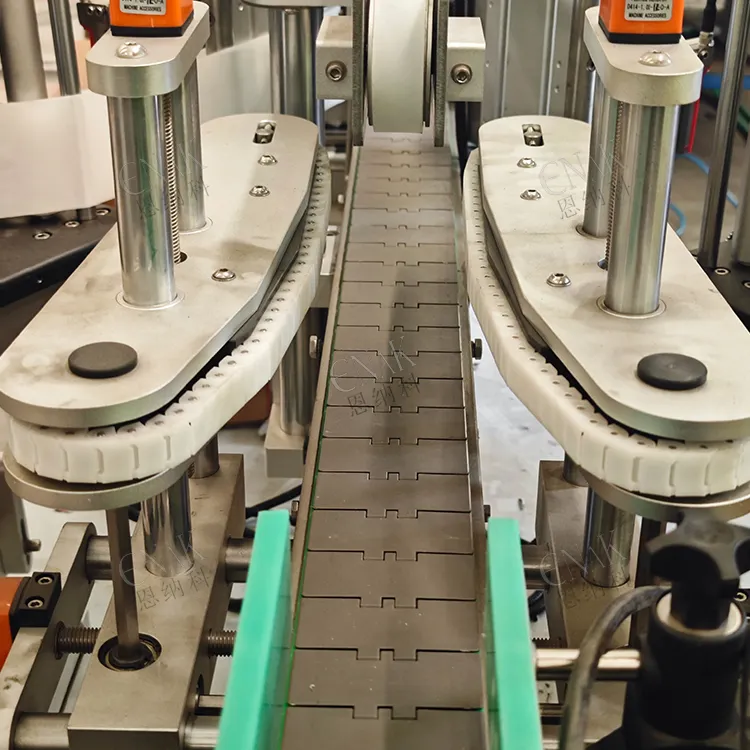
Today's leading rinsing machines are built with changeover in mind. With adjustable starwheel guides, easily interchangeable nozzle heads, and programmable settings, operators can swiftly switch between different bottle heights, diameters, and neck finishes. This modularity allows a single machine to service multiple product lines, providing an excellent return on investment and future-proofing your operations against changing market demands.

Bottle Rinsing Machine Product Line

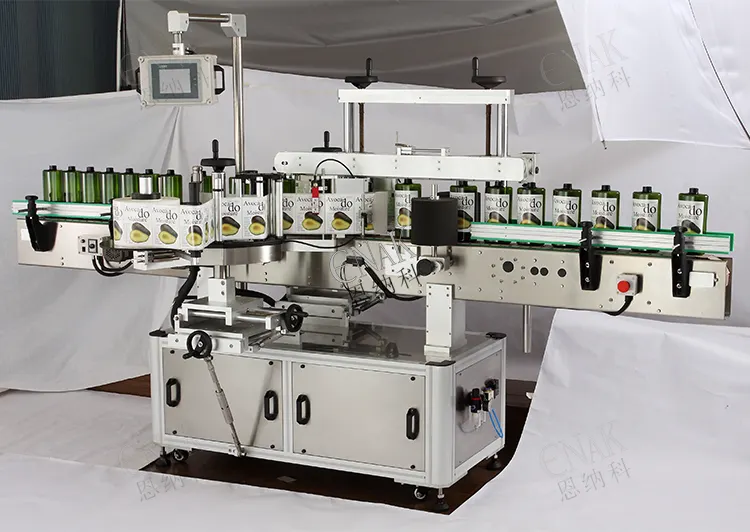
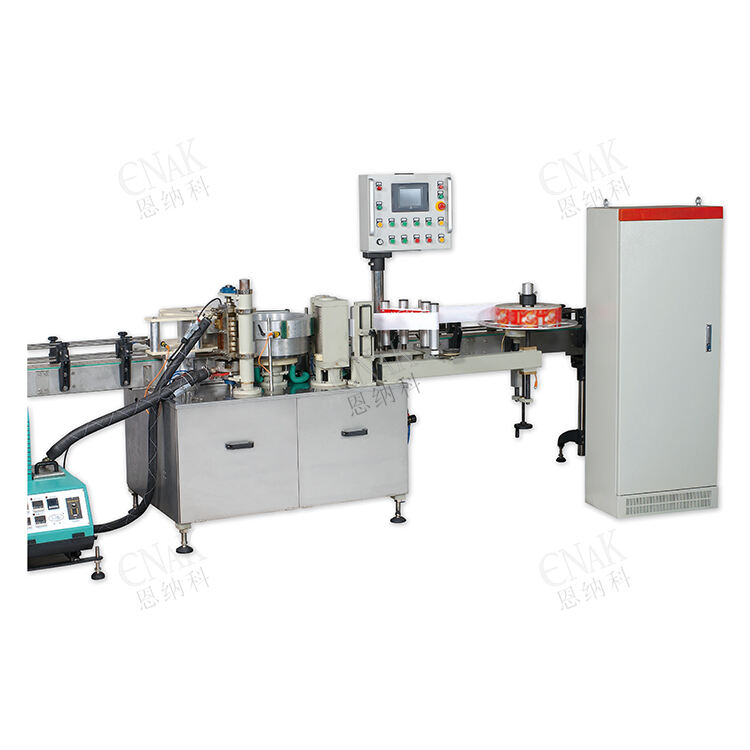
Our bottle rinsing solutions are tailored to meet the rigorous demands of industrial-scale beverage, dairy, and food packaging. The product range includes rotary inline rinsers for high-speed carbonated soft drink lines, deep jet rinsers for still water and sensitive liquids, and versatile air-rinsing systems for pre-cleaned containers. Each model is constructed from food-grade stainless steel, ensuring durability and compliance with international hygiene standards. Designed for seamless integration, our machines feature user-friendly PLC controls and are backed by comprehensive technical support for installation, maintenance, and spare parts.

In the competitive landscape of food and beverage manufacturing, the cleanliness of packaging is not merely a step in the process—it is a critical determinant of product safety, shelf life, and brand integrity. For B2B procurement officers and production managers, investing in a specialized bottle rinsing machine represents a strategic upgrade to core production capabilities. This equipment serves as a vital guardian, ensuring that every container entering the filling stage is free from particulates, oils, or microbial contaminants that could compromise the contents.

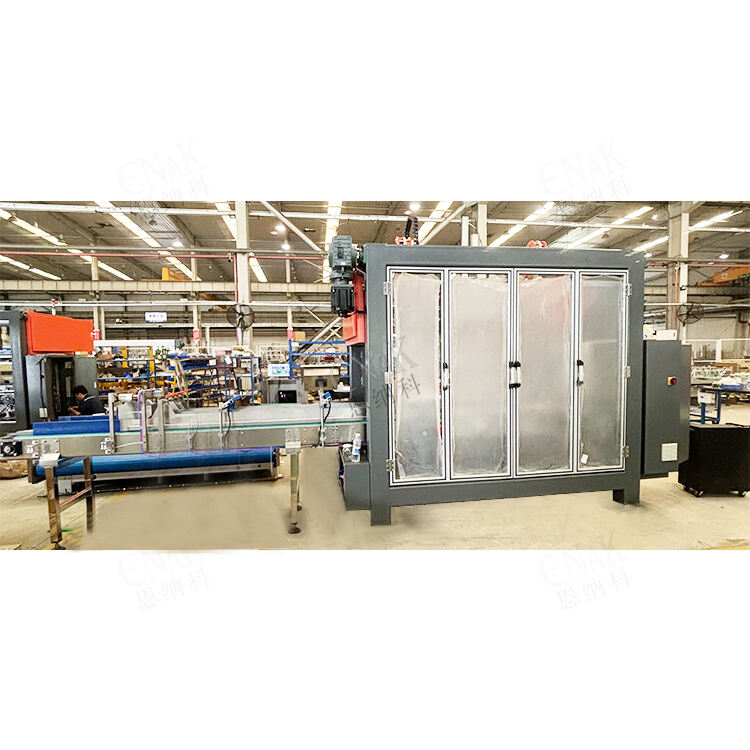
The primary application scenarios for these robust systems span numerous sectors. In the dairy industry, bottles for milk, yogurt drinks, and infant formula require an impeccable sterile environment to prevent bacterial growth. Juice and soft drink producers rely on rinsers to remove any residual sweetness or dust that could affect taste or carbonation. Edible oil and vinegar bottling plants need to ensure containers are utterly free of previous residues or cleaning agents. Furthermore, in the pharmaceutical and cosmetics sectors, where purity is paramount, precision rinsing is a non-negotiable prerequisite. An advanced rinser is often the nexus between a bottle unpacking/depalletizing station and the filling machine, creating a smooth, automated flow that defines modern smart factory layouts.

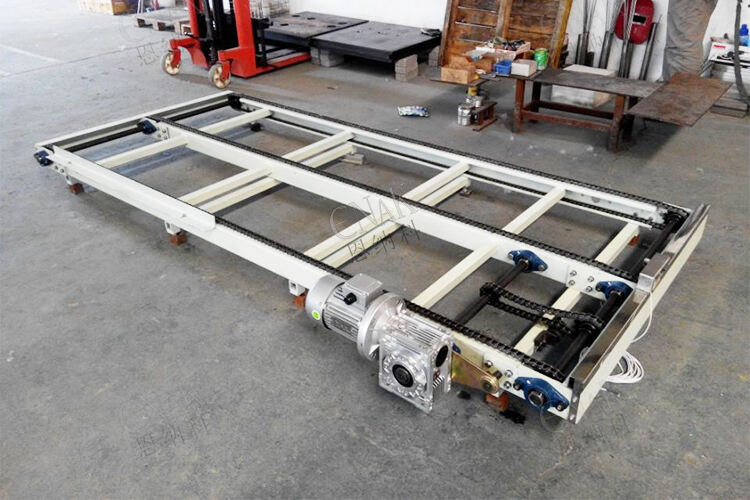
When selecting a partner for such crucial equipment, a manufacturer's depth of experience and holistic approach are key differentiators. A company that integrates R&D, design, and manufacturing under one roof ensures tighter quality control and more cohesive machine design. For instance, a provider with over a decade of experience in customizing complete packaging lines inherently understands how a bottle rinser must communicate with both upstream air conveyors and downstream fillers. Their engineers design for seamless automated linkage, ensuring synchronization that minimizes empty cycles and maximizes uptime.

The advantage extends beyond the machine itself to encompass project execution and support. A partner offering turnkey solutions brings invaluable expertise in line layout, utility hookup (water, air, electricity), and integrated control system programming. This eliminates interface risks between different suppliers. Post-installation, the availability of a senior engineering team for troubleshooting and a responsive after-sales service network ensures long-term reliability and protects your production investment. For a procurement professional, this translates to reduced project complexity, predictable performance, and a lower total cost of ownership over the equipment's lifecycle, making the choice of supplier as critical as the specification of the machine.


Frequently Asked Questions About Bottle Rinsing Machines

Explore common inquiries from production and procurement professionals regarding the integration, operation, and benefits of automatic bottle rinsing systems in industrial settings.

What is the main difference between a rinsing machine and a washing machine for bottles?

While both are crucial for hygiene, they serve different purposes in the production line. A bottle washing machine is typically a more intensive, multi-stage system used for returnable glass bottles. It involves soaking, high-temperature chemical washing, and thorough rinsing to remove heavy soiling and labels. In contrast, a bottle rinsing machine is designed for new, single-use containers (glass or PET) that arrive from the manufacturer relatively clean. Its function is to provide a final, high-precision internal cleanse using sterile water, air, or a mild sanitizer to eliminate microscopic dust, airborne particles, or static-attracted debris immediately before filling. The rinser is faster, uses fewer resources, and is integrated directly inline before the filler, whereas a washer is often a larger, standalone unit for processing returned bottles.
Modern industrial rinsers are designed for quick changeover to support flexible manufacturing. Key features that enable this include mechanically adjustable or interchangeable starwheels that guide the bottles, tool-less nozzle head changes to match different neck openings, and PLC-controlled parameter presets. For frequent size changes, some models offer a "recipe" function where all mechanical adjustments and pressure/flow settings for a specific bottle are saved. Operators can then switch between these recipes, with the changeover often accomplished in minutes rather than hours, significantly reducing downtime and maintaining high overall equipment effectiveness (OEE) for your line.
The primary utilities are a reliable supply of clean, filtered water (often deionized or reverse-osmosis treated for final rinses) and plant air for pneumatic controls and air-rinsing models. Consistent pressure and flow are vital. For hygiene maintenance, a robust protocol is essential. Daily tasks include visual inspection of nozzles for clogging and exterior cleaning. Weekly, a more thorough check of filters and sanitization of the water tank (if recirculating) is needed. Monthly, mechanical parts like chain guides require lubrication with food-grade grease. Crucially, the entire system should undergo a scheduled Clean-in-Place (CIP) cycle using approved sanitizing solutions to prevent biofilm formation in water lines. Choosing a machine with a smooth, stainless-steel design and easy access panels greatly simplifies these routine maintenance tasks.

Related Articles

How Does Tianjin ENAK Beverage Canning Line Increase Output While Ensuring Beverage Quality?

31

Oct

How Does Tianjin ENAK Beverage Canning Line Increase Output While Ensuring Beverage Quality?

Customer Background In today’s beverage industry, speed, precision, and consistency are decisive factors that determine a producer’s success. Our interviewee is a production director at a mid-sized beverage company in China specializing i...
View More
How to Achieve Efficient and Hygienic Production with Tianjin ENAK Beer Canning System?

26

Nov

How to Achieve Efficient and Hygienic Production with Tianjin ENAK Beer Canning System?

Product Background In the global brewing industry, efficiency and hygiene have become two inseparable goals. With consumer expectations rising, breweries cannot afford to compromise on either production speed or beverage quality. The introduction of ...
View More
How to Use Tianjin ENAK Automatic Carton Erector to Achieve Automation Transformation in Packaging?

24

Dec

How to Use Tianjin ENAK Automatic Carton Erector to Achieve Automation Transformation in Packaging?

Product Features The Tianjin ENAK automatic carton erector is designed to streamline and modernize packaging lines, providing manufacturers with a reliable and efficient automation solution. From the perspective of a manufacturing engineer, the ...
View More
How to Achieve Automation Upgrade of Packaging Lines with Tianjin ENAK Carton Sealing Equipment?

13

Dec

How to Achieve Automation Upgrade of Packaging Lines with Tianjin ENAK Carton Sealing Equipment?

Automation Upgrade Overview In the modern packaging industry, manufacturers are facing increasing pressure to optimize production efficiency, maintain consistent product quality, and reduce labor dependency. Manual carton sealing, once a standard pra...
View More

Client Feedback on Bottle Rinsing Solutions

Hear directly from production managers and engineers who have integrated our automated rinsing systems into their operations, highlighting improvements in efficiency, hygiene, and reliability.
David Chen

"After installing the rotary jet rinser, our micro-failures on the filling line due to particulate contamination dropped to nearly zero. The consistency is remarkable, and the quick-change system lets us switch between our 1L and 500ml juice bottles in under 15 minutes."

Maria Rodriguez

"We were upgrading an older section of our bottling hall. The engineering team didn't just deliver a rinser; they provided the full interface design with our existing conveyor and filler, including control panel integration. The project ran smoothly from start to finish."

James Park

"When we had a question about optimizing water pressure for a new bottle shape, the support team connected us directly with a senior engineer. We had a solution the same day. That level of responsive, expert after-sales service is invaluable for keeping our uptime high."

Get a Free Quote

Our representative will contact you soon.
Email
Name
Company Name
Message
0/1000

bottle rinsing machine

Precision Inline Hygiene

Precision Inline Hygiene

The core function of an advanced bottle rinsing machine is to deliver guaranteed, repeatable cleanliness at production speeds. Utilizing precisely angled nozzles, the system injects a controlled jet of sterile medium—be it water, air, or a sanitizing mist—into each container. This action forcibly ejects any foreign particles that may have settled during storage or transport. For B2B buyers, this translates directly to reduced product recalls, enhanced consumer safety, and protection of the brand's market reputation. It is a proactive quality control measure embedded directly into the production flow.
Engineered for Maximum Uptime

Engineered for Maximum Uptime

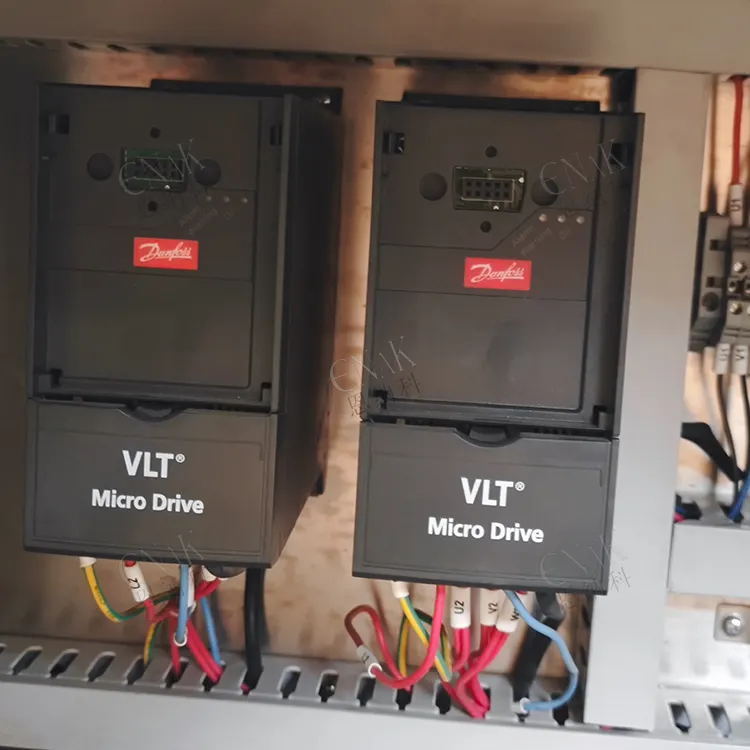
Industrial equipment is judged by its reliability. Top-tier rinsing machines are built with heavy-duty, food-grade stainless steel frames and components from reputable international brands in drives and sensors. Features like self-lubricating chain guides, easily accessible service points, and robust splash protection are standard. Furthermore, integrated diagnostic systems in the PLC can alert operators to potential issues like a drop in water pressure or a misaligned sensor before they cause a line stoppage, enabling predictive maintenance and ensuring the machine contributes to a high Overall Equipment Effectiveness (OEE) rate.
Sustainable Operation Focus

Sustainable Operation Focus

Modern rinsers address both economic and environmental concerns through intelligent resource management. Many models incorporate closed-loop water circulation systems with multi-stage filtration, allowing rinse water to be treated and reused repeatedly, drastically cutting down on freshwater consumption and wastewater generation. Additionally, energy-saving modes that reduce power usage during short line pauses are common. For procurement professionals, these features are not just about "being green"—they tangibly lower daily utility costs and help the plant comply with increasingly strict environmental regulations.
Smart Connectivity and Control

Smart Connectivity and Control

Today's equipment is a data node on the factory floor. Advanced bottle rinsers come with sophisticated PLCs and touch-screen HMIs (Human-Machine Interfaces) that allow for precise control over every parameter—rinse time, pressure, volume, and temperature. More importantly, they support standard industrial communication protocols (e.g., Ethernet/IP, PROFINET, Modbus TCP). This allows the rinser to exchange real-time data with the central SCADA or MES system, enabling production monitoring, batch reporting, and seamless coordination with upstream and downstream equipment for true lights-out automation potential.