Why Choose Automated Labeling Systems for Factories?

All Categories

Why Choose Automated Labeling Systems for Industrial Packaging Efficiency?

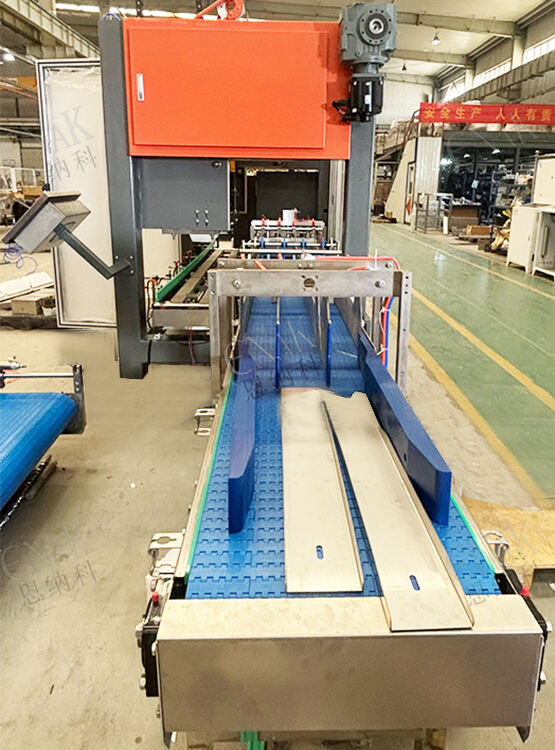
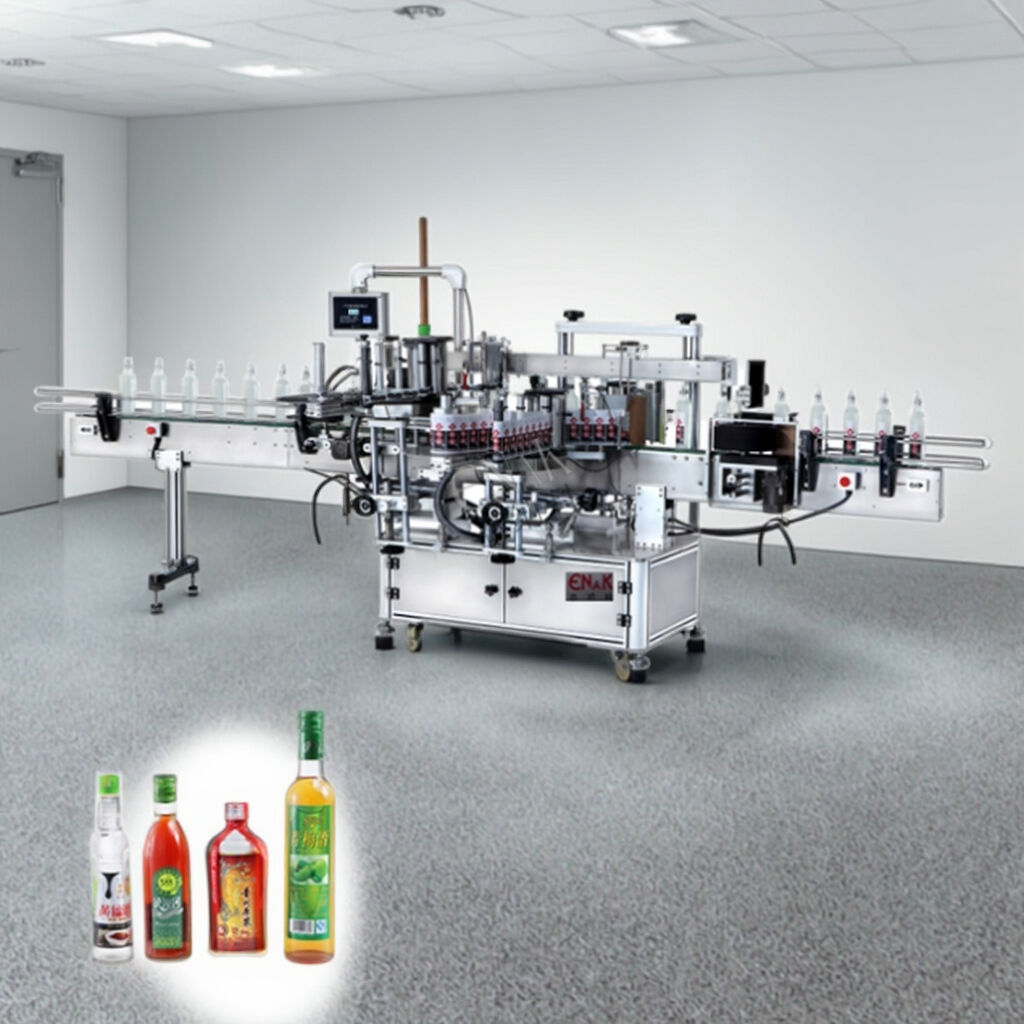
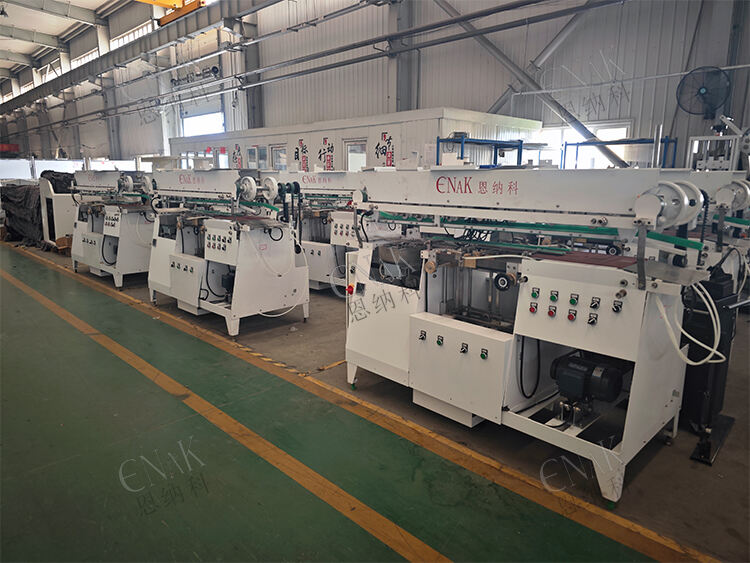
Automated Labeling Systems are designed to help factories, packaging companies, and large-scale production facilities achieve higher speed, greater accuracy, and lower operating costs. By integrating with production lines, these systems provide automatic product labeling for bottles, cans, boxes, and irregular-shaped containers. Equipped with PLC smart controls, advanced sensors, and error-correction mechanisms, Automated Labeling Systems ensure each label is placed with precision and consistency, even in high-speed manufacturing environments. They support diverse label materials, from paper and PET to PVC, and are adaptable for different production volumes, ranging from small-batch customization to continuous high-capacity lines.
Get A Quote

Automated Labeling Systems

The advantages of Automated Labeling Systems for B2B buyers are centered around efficiency, flexibility, and long-term value. These systems not only streamline labeling operations but also enhance precision while significantly reducing dependency on manual labor. Whether it is food, beverage, pharmaceutical, or chemical industries, automated labeling provides a consistent and scalable solution that adapts to production demands. Below are three core advantages explained in detail:

High-Speed Precision Labeling

Automated Labeling Systems deliver labeling accuracy within ±1mm even at high production speeds. The PLC-controlled system ensures exact label placement, reducing waste, eliminating human error, and maintaining a professional product appearance across thousands of units per shift.

Flexible and Multi-Format Compatibility

These systems can handle bottles, jars, cans, and flat containers with ease. Adjustable configurations allow for single-side, double-side, or wrap-around labeling. Businesses benefit from one machine adaptable to multiple packaging formats, lowering equipment investment.

Lower Labor and Operational Costs

By minimizing manual intervention, Automated Labeling Systems cut down labor expenses while improving production uptime. Automatic error detection, label correction, and continuous monitoring reduce downtime and ensure production lines operate efficiently with less supervision.

Related Products

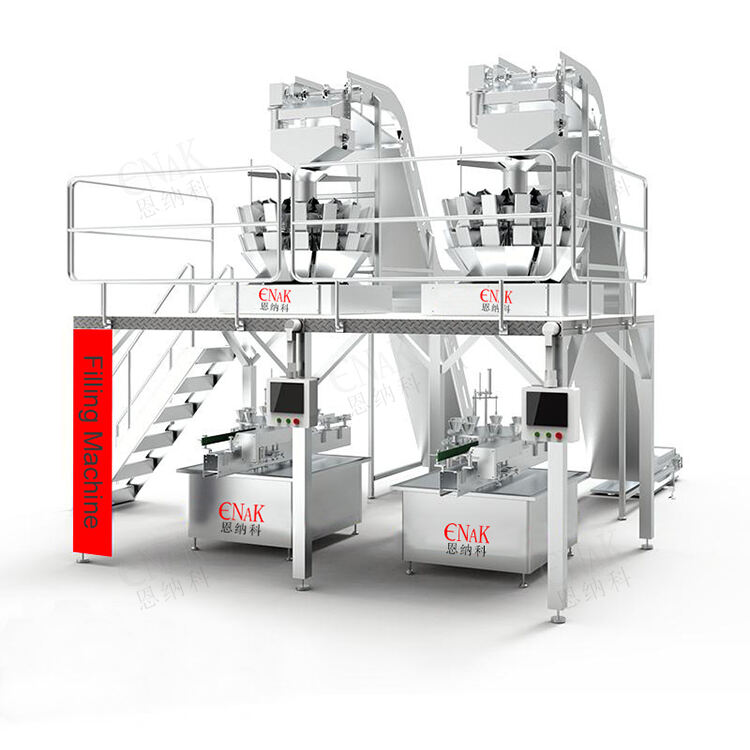
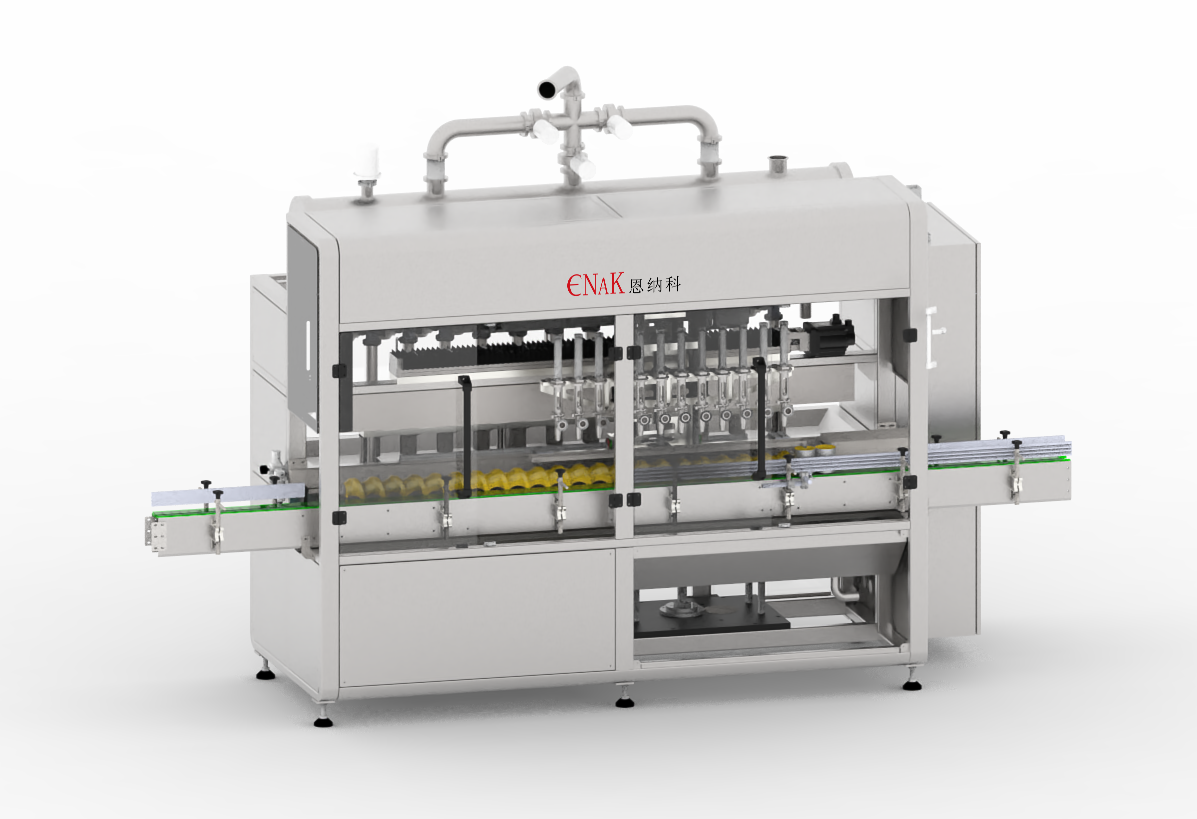
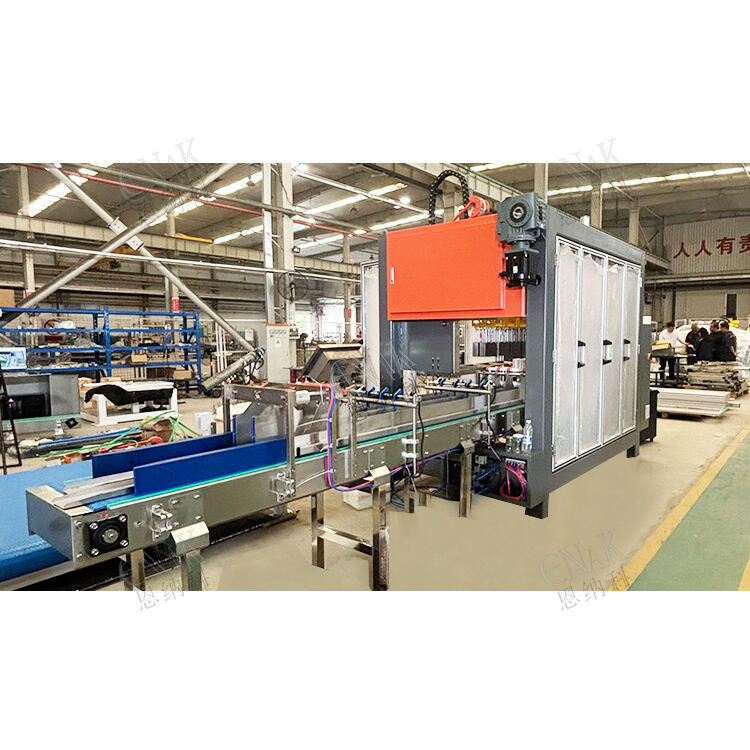
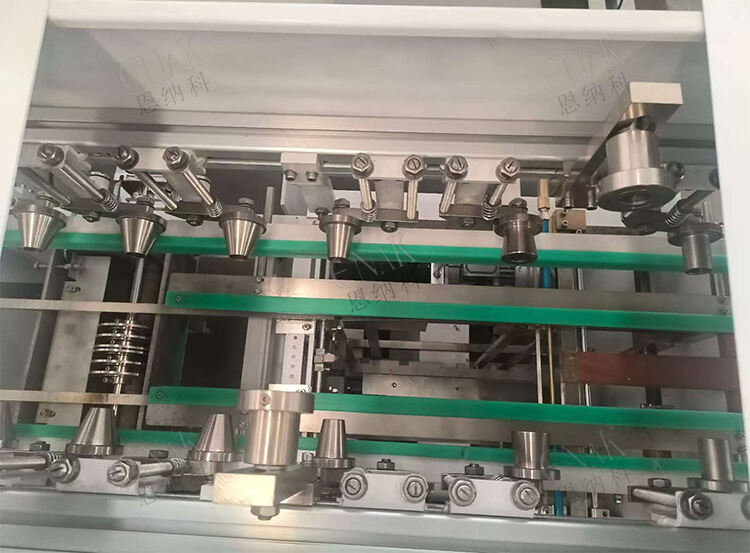
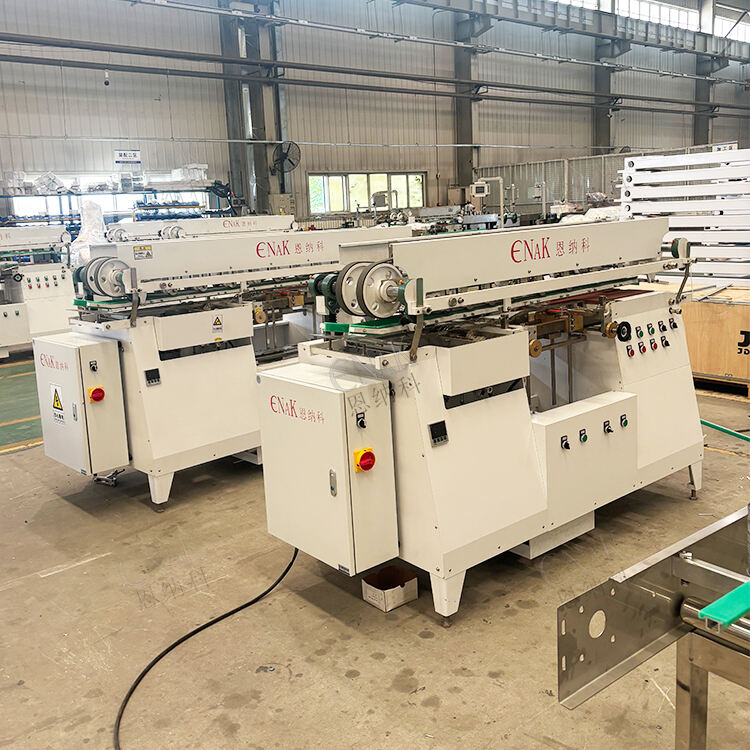
Automated Labeling Systems represent the backbone of modern packaging lines. Built with durable frames and high-quality labeling heads, these machines are designed for 24/7 industrial use. They feature advanced control panels with touch-screen interfaces, allowing operators to easily adjust label positions, speed, and angles. Automatic error detection ensures that missing or misaligned labels are corrected immediately, avoiding rework. These systems are compatible with transparent labels, adhesive-backed labels, and heat-sensitive options, making them ideal for industries with diverse packaging requirements. Modular design allows seamless integration with conveyors, fillers, cappers, and carton packers, providing an end-to-end packaging solution. With energy-efficient motors and reduced maintenance requirements, Automated Labeling Systems help companies achieve long-term operational savings while maintaining superior packaging quality.

Tianjin ENAK, founded in 2012, has established itself as a pioneer in providing advanced packaging and production line solutions for global industries. As a specialized high-tech enterprise, ENAK is committed to offering turnkey project services that cover the entire lifecycle of production—from planning and design to manufacturing, installation, and after-sales support.

The company has grown into a trusted partner for businesses in the food, beverage, pharmaceutical, and chemical sectors, delivering innovative technologies that enhance automation, quality control, and overall production efficiency. ENAK’s product portfolio is broad, including deep-learning inspection equipment for raw material sorting, foreign object detection, and coding accuracy, as well as a comprehensive range of canned food production equipment, such as depalletizers, washers, peelers, fillers, sterilizers, and conveying systems.

In packaging solutions, ENAK offers a wide variety of labeling technologies, including self-adhesive, hot-melt, and paste labeling machines, along with supporting equipment such as carton erectors, case packers, sealers, palletizers, and depalletizers. Each machine is designed with precision engineering, ensuring robust performance, high adaptability, and compliance with international safety and hygiene standards.

The company operates under a strong philosophy of innovation, integrity, and customer-focused service. Its cultural mission emphasizes advancing intelligent packaging technologies to empower industries with smarter, more reliable, and cost-efficient solutions. ENAK also prides itself on offering OEM/ODM customization, enabling partners to integrate unique branding, configurations, and tailored solutions into their production lines.

By continually investing in R&D and adopting global best practices, Tianjin ENAK has become an influential name in industrial automation, helping manufacturers worldwide achieve greater competitiveness in their respective markets.


FAQ

How do Automated Labeling Systems improve efficiency in high-speed production lines?

Automated Labeling Systems streamline labeling processes by maintaining consistent accuracy even at high speeds. The PLC-based control system, combined with precision sensors, ensures label placement accuracy of ±1mm. Automatic error detection reduces downtime, while modular integration with conveyors and fillers minimizes bottlenecks. This helps manufacturers run continuous, uninterrupted production shifts with minimal supervision.
Yes, Automated Labeling Systems are highly versatile. They can adapt to cylindrical bottles, square containers, jars, flat packs, and even irregularly shaped items. The machines support various labeling styles, including single-side, double-side, and wrap-around applications. Additionally, they are compatible with different label types such as paper, PVC, PET, or transparent film, making them suitable for diverse industries.
Although the initial investment in Automated Labeling Systems may appear significant, the long-term benefits outweigh the cost. Reduced labor requirements, minimized material wastage, consistent product presentation, and extended operational uptime all contribute to lowering overall production costs. Many companies report achieving a full return on investment within 1–2 years due to increased throughput and reduced errors.

More Posts

How Does Tianjin ENAK Beverage Canning Line Increase Output While Ensuring Beverage Quality?

10

Oct

How Does Tianjin ENAK Beverage Canning Line Increase Output While Ensuring Beverage Quality?

Customer Background In today’s beverage industry, speed, precision, and consistency are decisive factors that determine a producer’s success. Our interviewee is a production director at a mid-sized beverage company in China specializing i...
View More
How Does Automatic Carton Sealing Machine Help Manufacturers Reduce Labor Costs and Improve Production Stability?

10

Oct

How Does Automatic Carton Sealing Machine Help Manufacturers Reduce Labor Costs and Improve Production Stability?

Efficiency Enhancement Technology Background In today’s competitive manufacturing environment, companies are under continuous pressure to reduce operational costs while maintaining high-quality output. One of the most significant cost factors i...
View More
How Does Tianjin ENAK Carton Case Packer Facilitate Intelligent Upgrades in Packaging Lines?

10

Oct

How Does Tianjin ENAK Carton Case Packer Facilitate Intelligent Upgrades in Packaging Lines?

Product Background In the current era of Industry 4.0, packaging automation is no longer confined to speed and efficiency alone. Manufacturers are now expected to provide products that integrate intelligence, flexibility, and traceability, ensuring c...
View More
How Does Tianjin ENAK Hot Melt Glue Labeling Machine Achieve Efficient and Diverse Packaging Labeling?

10

Oct

How Does Tianjin ENAK Hot Melt Glue Labeling Machine Achieve Efficient and Diverse Packaging Labeling?

Industry Demand In today’s competitive packaging and manufacturing sector, product presentation and labeling accuracy are crucial for brand recognition and regulatory compliance. Modern manufacturers face increasing pressure to improve labeling...
View More

Customer Reviews

Mark L., Operations Manager

“We integrated Automated Labeling Systems into our bottling line, and the difference was immediate. Labeling speed doubled, accuracy improved, and downtime due to misalignment dropped to nearly zero. This upgrade saved us labor costs and boosted our production capacity.”

Elena S., Procurement Director

“As a company producing cosmetics with multiple container shapes, we needed flexibility. Automated Labeling Systems handled different formats with ease, allowing us to standardize labeling while still accommodating design variations. It’s been a reliable investment.”

David R., Plant Supervisor

“Our Automated Labeling Systems have been running continuously for months with minimal maintenance. The machines are durable, intuitive to operate, and significantly improved packaging quality. Our clients noticed the improved consistency, which boosted customer confidence.”

Get a Free Quote

Our representative will contact you soon.
Email
Name
Company Name
Message
0/1000
Seamless Integration with Packaging Lines

Seamless Integration with Packaging Lines

Automated Labeling Systems are designed to connect effortlessly with conveyors, fillers, and case packers, creating a fully automated packaging ecosystem that maximizes output efficiency.
Smart Controls and Error Correction

Smart Controls and Error Correction

Equipped with PLC control and real-time error detection, Automated Labeling Systems automatically correct misaligned labels, ensuring consistent quality across every product batch.
Energy-Efficient and Durable Design

Energy-Efficient and Durable Design

Built with heavy-duty frames and energy-saving motors, these systems operate with low power consumption while maintaining stable, long-term performance under demanding industrial conditions.